
Global Systems for Handling Crises
Countries often set up standing arrangements to watch for rising tensions and share basic information before problems grow. These systems rely on regular reports from embassies, military observers, and aid workers who track movements of people or goods across borders. When early signs appear, such as unusual troop buildups or blocked trade routes, the information moves through established channels to decision makers in several capitals at once.
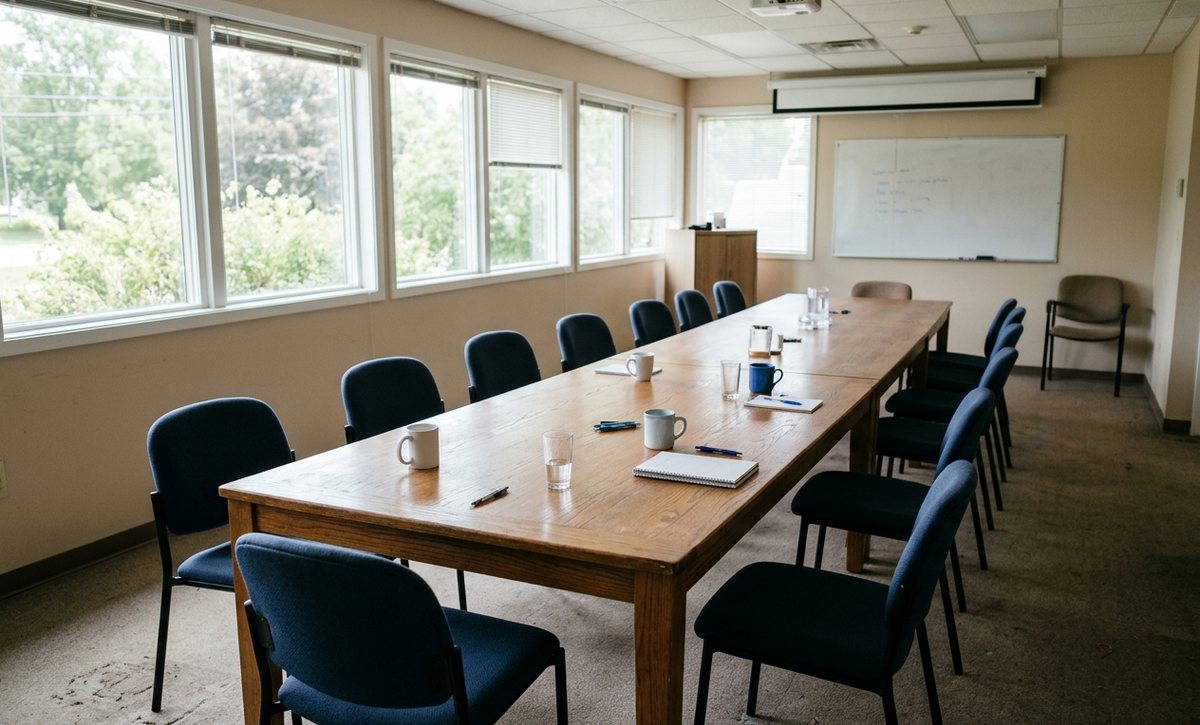
Governments also keep joint planning groups that meet on a fixed schedule. These groups compare notes on supply stocks like food or medical kits and agree on simple rules for who sends what if a sudden need occurs. The goal stays modest, since no single plan can cover every possible event.
Over time these arrangements have expanded to include civilian agencies that deal with refugees or disease outbreaks. The result is a loose network that can shift resources without needing a new agreement each time.
Diplomatic and Legal Tools in Use
Treaties and standing resolutions give officials a common set of rules they can point to when disputes start. One common approach is to require advance notice of large military exercises so neighbors do not mistake them for attacks. Another is to create observer missions that report back under clear mandates set out in advance.
Legal frameworks also cover how outside forces may cross borders to deliver aid. These rules spell out what counts as consent from the host government and what limits apply to the types of equipment that can enter. Without such limits, offers of help can quickly raise suspicions on all sides.
Diplomats use these same documents to settle smaller questions, such as who pays for fuel or how long foreign personnel can stay. The documents do not remove the need for fresh talks, but they cut down on repeated arguments over basic terms.
How Institutions Work Together on the Ground
When violence breaks out in one region, several organizations often divide tasks along practical lines. One group may handle cease-fire monitoring while another arranges food deliveries through local markets. A third might track movements of displaced families so that aid reaches the right places.
In one case, military liaison officers from different countries met daily with relief teams to clear roads and avoid accidental clashes at checkpoints. They used shared maps and radio frequencies that had been agreed on months earlier. This kept small problems from stopping larger shipments.
Such coordination works best when each participant sticks to the role it already knows how to perform. Attempts to take on unfamiliar tasks tend to slow the overall effort and create gaps that others must fill later.
Challenges That Often Arise
One recurring issue is mismatched priorities among the governments involved. A country that wants quick results on security may resist delays caused by another that insists on detailed legal reviews first. These differences can stall shipments or leave monitoring teams short of needed equipment.
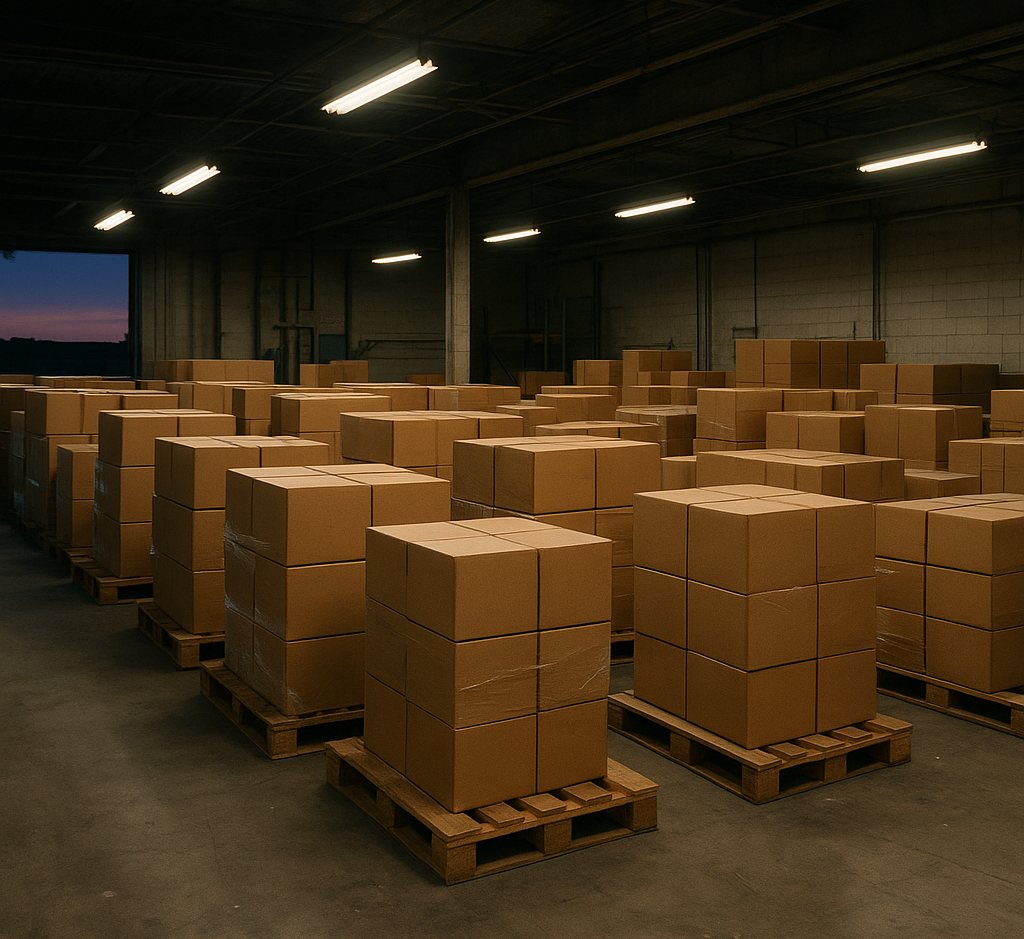
Another problem comes from uneven capacity. Some agencies arrive with full logistics teams while others depend on the same limited local transport. When demand spikes, the stronger groups end up carrying extra loads, which can breed resentment over time.
Funding also arrives in uneven waves. Money pledged for one phase of a response may not cover follow-up work once attention moves elsewhere. Staff then spend weeks rewriting plans instead of carrying them out.
Ways to Strengthen These Efforts
Participants have found that keeping a small standing staff for each agreed protocol helps reduce start-up delays. These staff members already know the contact lists and formats, so they do not have to learn them under pressure. Regular tabletop exercises also let teams test the same rules against new scenarios without waiting for a real event.
Clearer hand-off procedures between military and civilian groups have cut down on duplicated work in several recent cases. When each side knows exactly where its authority ends, the switch from active fighting to recovery moves faster. Training programs that rotate officers through other countries’ command posts build the personal ties that make these hand-offs smoother.
Finally, participants review past operations in plain language reports that focus on what actually happened rather than on stated goals. These reviews highlight simple fixes, such as standardizing fuel types or radio codes, that can be adopted without new treaties. Over several cycles the accumulated small changes add up to noticeably faster responses.