
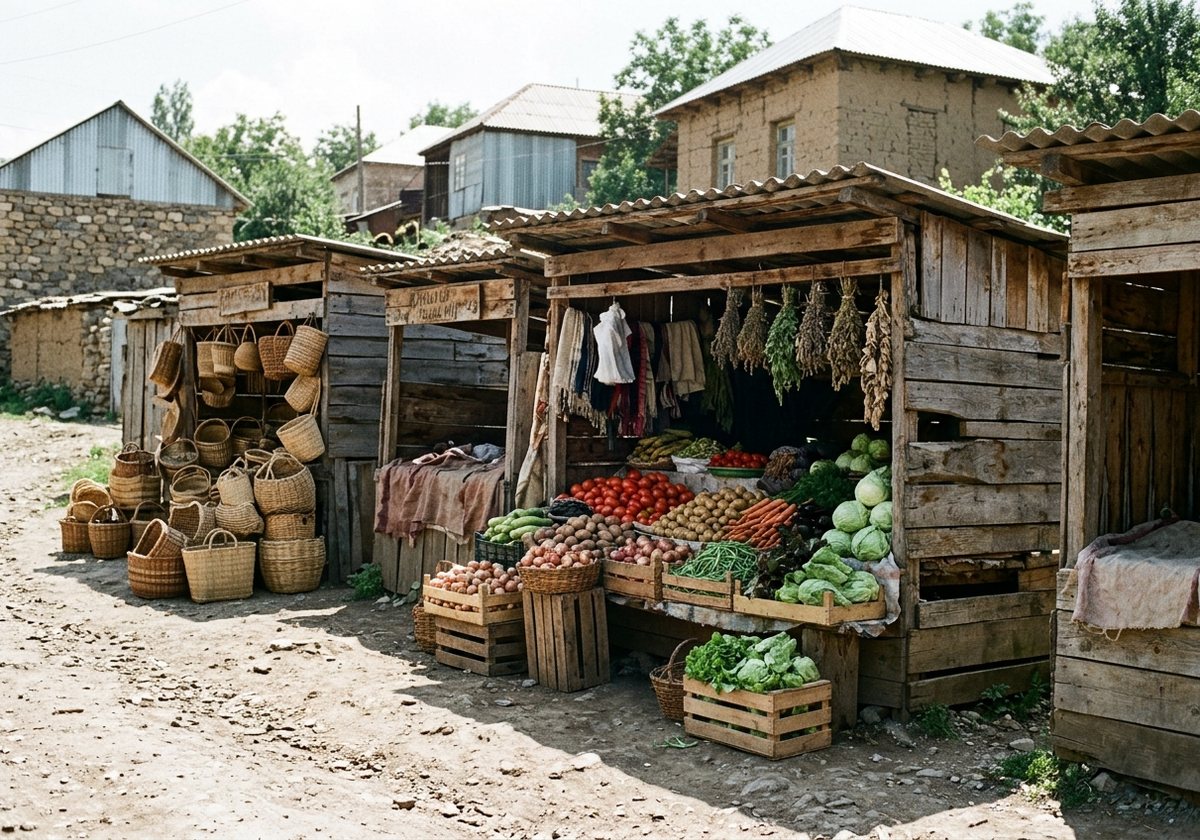
Ethnic groups often form around shared language, customs, or ancestry that people learn early and carry into public life. These ties affect how individuals view leaders and laws. In everyday settings such as village markets or city schools, people notice who speaks the same tongue or follows the same holidays, and those observations can turn into expectations about fair treatment from officials.
Ethnic Identity in Political Life
Leaders sometimes draw support along these lines because voters look for representatives who understand their daily concerns. A candidate from the same background may seem more likely to protect local schools or jobs. Over generations this pattern can become routine, so parties organize around regional or language bases rather than ideas alone.
At the same time many citizens hold multiple identities at once. A person may speak one language at home and another at work, or follow religious practices that cross group lines. When governments recognize only one identity in official documents or hiring, those overlapping loyalties can create friction in ordinary administration.
Historical Patterns of Tension
Diverse populations have shown recurring strains when one group controls most government posts or land records. Minor differences in schooling or tax collection then grow into larger complaints about neglect. In some cases the friction stays local, such as disputes over market stalls, while in others it spreads to national decisions about military service or border trade.
The record also shows periods when groups lived side by side with little organized conflict. Mixed cities often developed informal rules for settling small arguments through elders or joint committees. These arrangements lasted as long as each side saw benefit in keeping order rather than testing who held more numbers or arms.
Policy Tools for Reducing Friction
Officials have tried several practical steps. One route gives each major group a voice in cabinet posts or regional budgets so no single side feels locked out. Another route promotes a common language in courts and schools while still allowing private use of other tongues. A third route focuses on equal hiring rules for public jobs so that daily services reach all neighborhoods.
– Seats reserved for minority representatives in the legislature
– Regional autonomy over local schools and roads
– National rules that treat all citizens the same in passports and courts
Each tool works differently depending on whether the groups are roughly equal in size or one clearly outnumbers the others. When numbers differ sharply, equal treatment rules may satisfy the larger group yet leave smaller ones feeling overlooked in practice.
Results from Integration Choices
Countries that kept separate school systems for each language group sometimes preserved peace for decades, yet later faced demands for separate administrations when economic times turned hard. In contrast, places that pushed a single national curriculum often saw faster movement of people between regions, though complaints about lost traditions continued among parents.
Federal arrangements that hand real spending power to provinces have produced mixed records. Some provinces used the money to build shared roads and clinics that served everyone, while others directed funds mainly to their own core supporters. The difference usually came down to whether local leaders faced pressure from mixed districts or only from one ethnic bloc.
Power-sharing cabinets have kept governments from collapsing after elections, but they can slow decisions when every group claims a veto on new laws. Simple majority systems move faster yet risk leaving out smaller populations whose votes never reach the winning total. Over long stretches both systems have lasted, provided the economy grew enough to give most households visible gains each year.
Citizens notice these outcomes in concrete ways. A family that can send children to a school taught in the national language often gains wider job chances, while another family that keeps its children in a local language school may keep stronger ties inside the group but narrower options outside it. Governments adjust rules when these daily results produce steady complaints or quiet migration to cities where mixing feels easier.