Finding a Plumber in Haverhill, MA: Crisis Management for Homeowners When Emergencies Strike
There’s never a convenient time for a plumbing emergency, but somehow they always seem to happen at the worst possible moment. Maybe it’s a Saturday night when guests are about to arrive, or a weekday morning when everyone’s rushing to get ready for work and school. One minute everything’s fine, and the next, you’re standing in an inch of water wondering how this became your life. If you’re a homeowner in Haverhill, knowing how to handle these situations before they happen can save you thousands of dollars and countless headaches.
Why Plumbing Emergencies Feel So Overwhelming
Let’s be honest—most of us don’t think about our plumbing until something goes wrong. The pipes behind our walls and under our floors do their job quietly, day after day, year after year. Then suddenly, without warning, something fails. Water starts going where it shouldn’t. Drains stop draining. Toilets overflow. And in that moment of panic, it’s hard to think clearly about what to do next.
The stress isn’t just about the immediate problem. It’s about the potential damage to your home, the disruption to your daily routine, and the uncertainty about costs. When you need help fast, you want to know you’re calling someone reliable. That’s why having a trusted Haverhill Plumber in your contacts before an emergency happens is one of the smartest moves any homeowner can make.
Common Plumbing Emergencies in Haverhill Homes
Living in Massachusetts means dealing with weather extremes that can be particularly hard on plumbing systems. Our cold winters and temperature fluctuations create unique challenges that homeowners in warmer climates never face.
Frozen and Burst Pipes
When temperatures drop below freezing, any pipes in unheated areas of your home are at risk. Basements, crawl spaces, attics, and exterior walls can all harbor vulnerable pipes. Water expands when it freezes, and that expansion can crack or burst pipes. Sometimes you won’t even know there’s a problem until the weather warms up and water starts flowing again—straight into your walls or ceiling.
Water Heater Failures
Few things are more inconvenient than losing hot water, especially during a New England winter. Water heaters typically last 8-12 years, but they can fail suddenly. You might notice rusty water, strange noises, or water pooling around the base of the unit. A failing water heater can also cause flooding if the tank ruptures.
Modern water heater systems should meet industry standards for efficiency and safety. Organizations like ASHRAE provide guidelines that help ensure proper installation and maintenance of these critical home systems.
Severe Drain Clogs
Not all clogs are created equal. While a slow drain might be annoying, a complete blockage in your main sewer line is a genuine emergency. Multiple drains backing up at once, sewage odors, or water coming up through floor drains are all signs of a serious problem that needs immediate professional attention.
Sump Pump Failures
Many Haverhill homes rely on sump pumps to keep basements dry, especially during spring thaws and heavy rainstorms. When a sump pump fails during a storm, water can quickly accumulate, damaging everything stored in your basement and potentially compromising your foundation.
What to Do in the First Five Minutes
How you respond in those first critical minutes can make a huge difference in the extent of damage to your home. Here’s your emergency action plan:
Step 1: Stop the water flow. Know where your main water shut-off valve is located before an emergency happens. It’s typically in the basement, crawl space, or near the water meter. Turn it clockwise to shut off water to your entire house. For toilet overflows, turn the small valve behind the toilet.
Step 2: Turn off the water heater. If you’ve shut off the main water supply, turn off your water heater to prevent damage to the unit. For electric heaters, flip the breaker. For gas heaters, turn the gas valve to the “off” position.
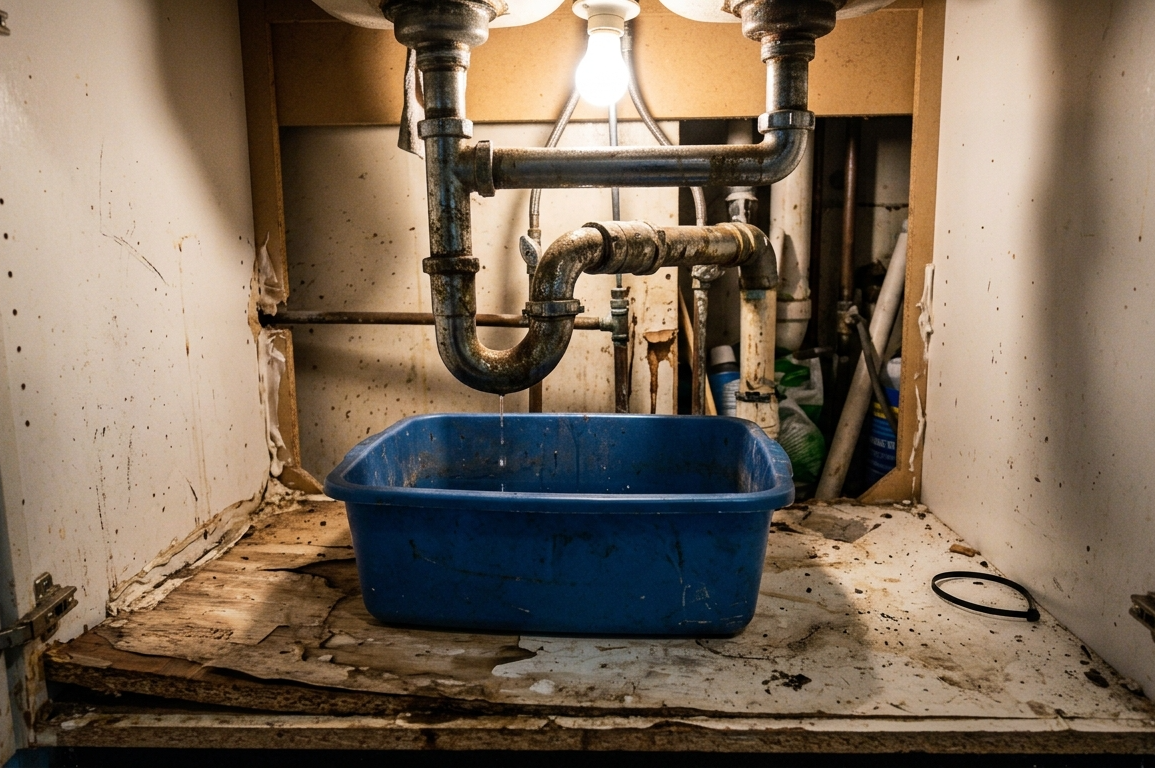
Step 3: Protect your belongings. Move furniture, electronics, and valuables away from water. Place buckets under active leaks and use towels to soak up standing water.
Step 4: Document everything. Take photos and videos of the damage for insurance purposes before you start cleanup.
Step 5: Call for help. Contact a licensed plumber who offers emergency services. Don’t wait until morning if the problem is serious—water damage gets worse with every passing hour.
Questions to Ask Before Hiring an Emergency Plumber
When you’re in crisis mode, it’s tempting to call the first plumber you find online. But taking a few extra minutes to ask the right questions can protect you from unscrupulous contractors who take advantage of desperate homeowners.
- Are you licensed and insured? Massachusetts requires plumbers to be licensed. Always verify credentials before allowing work to begin.
- What are your emergency service rates? Emergency calls typically cost more than regular appointments, but you should understand the pricing structure upfront.
- How quickly can you get here? In a true emergency, response time matters. A reliable service should be able to give you a realistic timeframe.
- Do you offer warranties on your work? Reputable plumbers stand behind their repairs with warranties.
- Can you provide references? Even in an emergency, you can ask if they have online reviews or references from other Haverhill customers.
Preventive Measures Every Haverhill Homeowner Should Take
While you can’t prevent every plumbing emergency, you can significantly reduce your risk with some basic maintenance and preparation.
Winterize Your Plumbing
Before the first hard freeze, disconnect and drain outdoor hoses. Shut off and drain exterior faucets. Insulate pipes in unheated areas with foam pipe insulation. On extremely cold nights, let faucets drip slightly to keep water moving through pipes.
Maintain Your Water Heater
Flush your water heater annually to remove sediment buildup. Check the pressure relief valve to ensure it’s working properly. Watch for signs of corrosion or leaks around the base.
Be Careful What Goes Down Your Drains
Never pour grease down kitchen drains. Use drain strainers to catch hair and debris. Avoid flushing anything other than toilet paper—even “flushable” wipes can cause major clogs.
Test Your Sump Pump
Before storm season, pour a bucket of water into the sump pit to make sure the pump activates and drains properly. Consider installing a battery backup system for power outages.
Schedule Regular Inspections
An annual plumbing inspection can catch small problems before they become emergencies. A professional can spot warning signs that homeowners typically miss.
The Real Cost of Delaying Repairs
It’s tempting to put off plumbing repairs, especially when money is tight. But what seems like a minor issue can quickly escalate into something much more expensive. A small leak might only waste water at first, but over time it can cause mold growth, wood rot, and structural damage. A slow drain can turn into a complete blockage that backs up sewage into your home.
The cost of emergency repairs is almost always higher than preventive maintenance or addressing problems early. Plus, water damage can affect your home’s value and make it harder to sell if you decide to move.
Building a Relationship with a Local Plumber
The best time to find a good plumber is before you need one desperately. When you build a relationship with a local plumbing company, you get familiar with their work quality, pricing, and customer service. They become familiar with your home’s plumbing system, which can make future repairs faster and more efficient.
Look for a plumber who’s active in the Haverhill community, has a solid reputation, and treats customers with respect. Read online reviews, ask neighbors for recommendations, and don’t be afraid to interview potential plumbers before you need emergency services.
Your Home Deserves Protection
Your home is probably your biggest investment, and your plumbing system is one of its most critical components. When something goes wrong, you need someone you can trust to fix it right the first time, at a fair price, without taking advantage of your stressful situation.
Take the time now, while everything’s working fine, to identify a reliable plumber you can call when emergencies strike. Save their number in your phone. Make sure everyone in your household knows where the main water shut-off valve is located. Create a plan for what you’ll do if disaster strikes at 2 a.m. on a Sunday.
Because when that emergency happens—and eventually, it probably will—you’ll be grateful you prepared. You’ll handle the situation calmly, minimize the damage, and get your home back to normal as quickly as possible. That’s not just smart homeownership; it’s peace of mind.