Solving Africa's Water Crisis: The Road to Clean Drinking Water Access
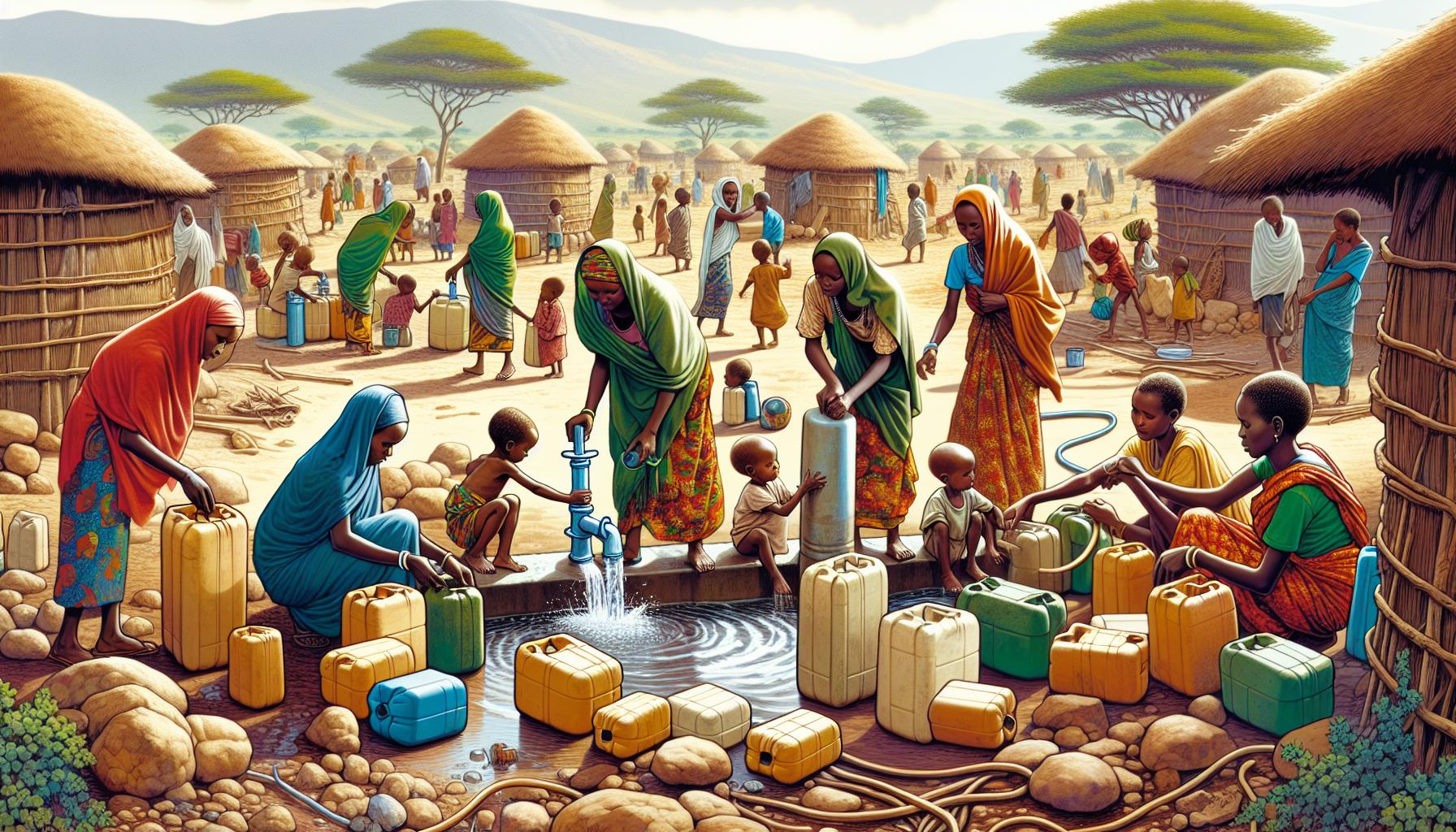
Water. It's a basic necessity, yet for many in Africa, it's a luxury. A significant portion of the continent grapples with a crippling water crisis, and it's high time we shed light on this pressing issue.
Africa's water problem isn't just about scarcity; it's also about accessibility and quality. In many regions, access to clean, safe drinking water is a daily challenge, impacting health, education, and livelihoods.
Join us as we dive deeper into Africa's drinking water supply problem, exploring its root causes, the devastating effects, and potential solutions. This isn't just a story about water; it's a story about survival, resilience, and the urgent need for change.
Understanding Africa's Problem With Drinking Water Supply
Seeking a comprehensive understanding of Africa's problem with drinking water supply stems from an appreciation of its current state and factors fueling it.
The Current State of Water Supply in Africa
In conveying the daunting reality of Africa's water supply, around 319 million people in Sub-Saharan Africa alone lack access to a reliable water supply. Pollution, overuse of water resources, and other factors have deteriorated water quality, consequently posing major health risks. This public health crisis, compounded by waterborne diseases, like cholera and dysentery, underlines the vitality of this issue.
Moreover, it's the women and children who bear the burden, spending hours daily sourcing water, thus, limiting opportunities for education and economic advancement. In tangible terms, 40 billion potential work hours are lost each year to this water trek in Africa. These statistics put together, provide a clear lens into the current state of the water supply predicament in Africa.
| Aspects | Statistics |
|---|---|
| Lack of access | 319 million people in Sub-Saharan Africa |
| Impact | 40 billion potential work hours lost annually |
| Health Risks | Waterborne diseases like cholera and dysentery |
Diving Deeper Into the Problem
Attributing this water crisis to a singular cause is limiting. Instead, there's an interplay of several factors causing this predicament. Oftentimes, they're aligned with socioeconomic, political, and environmental dynamics.
Infrastructure for providing clean water and sanitation is inadequate and poorly distributed, especially in rural and remote areas. Depreciating water tables, pollution, climate change, and deforestation are exacerbating issues as they adversely affect water availability and quality.
Above all else, governance plays a significant role. Weak water management policies, corruption, and lack of necessary funding for water projects have been obstacles in tackling this crisis head-on.
Consequently, understanding Africa's problem with drinking water supply hinges on recognizing this intricate web of interconnected issues and challenges. To effect change, these problems must be meticulously untangled to create sustainable, practical, and inclusive solutions.
Causes of Water Supply Issues in Africa
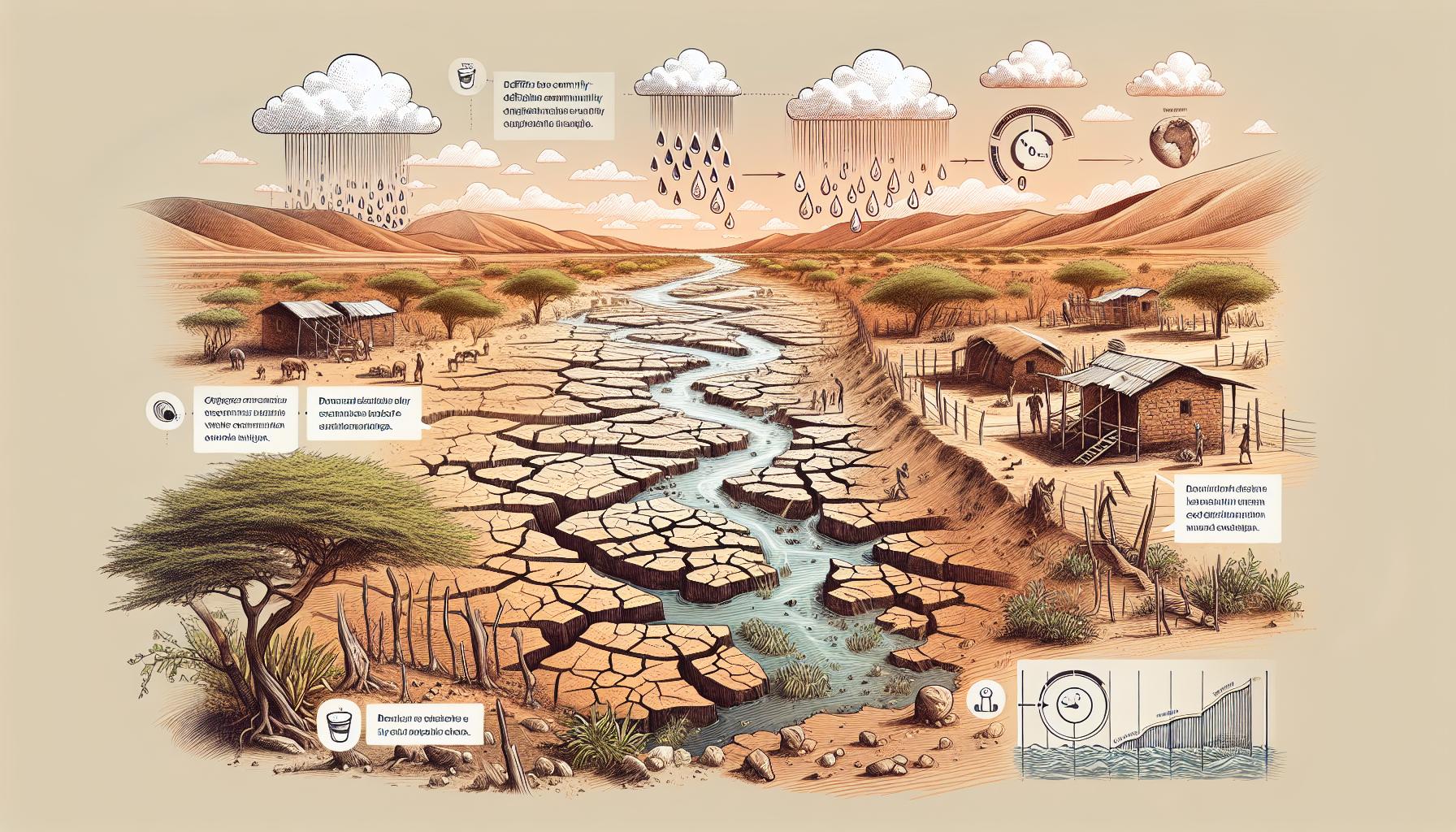
In this section, we’ll delve deeper into major factors causing water supply problems in Africa: the impact of climate change on water resources, and the role of poor infrastructure.
Climate Change and Its Impact on Water Resources
Climate change remains an undeniable perpetrator in Africa's water shortage. Alterations in global temperature patterns exacerbate drought and flooding instances, a case in point is the extreme drought of East Africa occurring from 2016 to 2017. As per the reports of CFRC (Climate Focus Research Center), this drought left 12 million people in desperate need of water, the number alone speaks volumes about the catastrophe.
HCNCC (Horn of Africa Climate Change Network and Coordination Center) also reported that climate change increases desertification rate. It further severely affects rainfall patterns, limiting water resources' replenishment for both people and agriculture.
Poor Infrastructure and Its Role in Water Supply Issues
A significant factor impeding water supply in Africa is inadequate infrastructure. Data from Africa Infrastructure Knowledge Program shows, over 50% of the rural population lacks access to an improved water source, forcing them to rely on untreated surface water sources, such as ponds and streams.
The dearth of sufficient water supply infrastructure greatly contributes to the ongoing problem. For instance, South Africa's Water Services Infrastructure Grant reported a shortfall of around $2 billion in 2019 for water and sanitation infrastructure. This impacts not just drinking water availability but also sanitation, leading to increased disease incidence such as cholera and dysentery.
Case Studies: Troubles With Drinking Water in Different African Countries
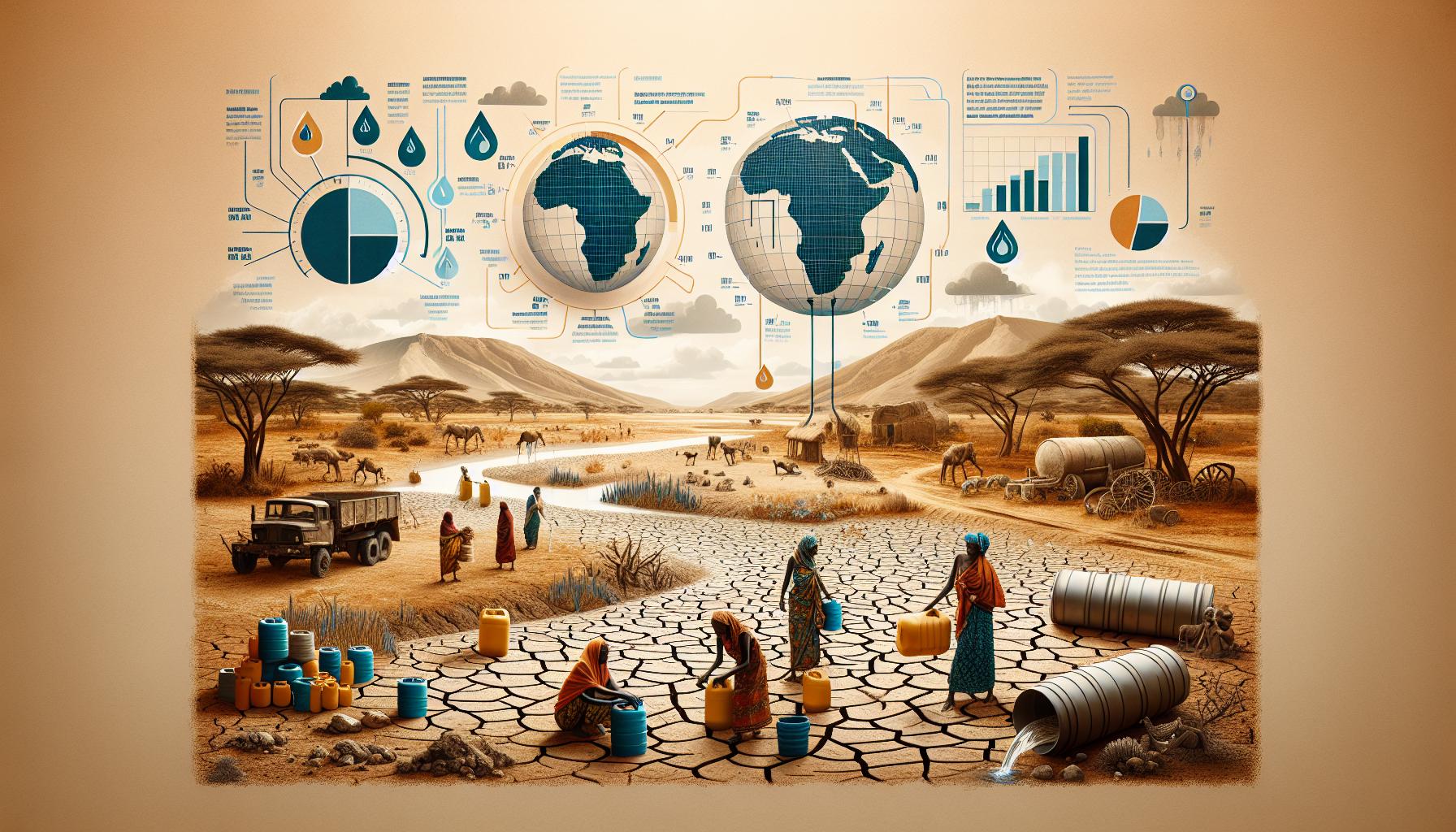
Focusing now on specific scenarios, let's examine the water crisis situations in South Africa and Ethiopia as representative case studies.
South Africa's Water Crisis: A Close Look
According to the South Africa National Department of Water and Sanitation, approximately 11% of the urban population and 34% of the rural population lack safe drinking water access. A myriad of elements has led to this predicament, such as erratic weather patterns disrupting water availability and aged infrastructure compromising water quality. For instance, the Day Zero crisis in Cape Town in 2018 painted a grim picture, where the city nearly ran out of water due to a prolonged drought coupled with urban population growth.
Ethiopia's Struggle With Water Supply: An Overview
In Ethiopia, nearly 33 million people lack access to safe water, as reported by the World Health Organization. Overreliance on seasonal rains for water supply leaves the population vulnerable to frequent droughts and floods, exacerbated by the impacts of climate change. In addition, the country's infrastructural predicament is dire, with many regions lacking adequate water and sanitation facilities. An illustrative case involved a multi-year drought leading to widespread water scarcity in the years 2017-2018, affecting more than 8 million people.
Possible Solutions to Africa's Drinking Water Problems
Developing solutions to Africa's drinking water supply problems involves multilayered efforts, from international aid programs to local infrastructural projects, complemented by innovative technological interventions.
International Aid and Philanthropy: A Ray of Hope
International support and philanthropic initiatives play a crucial role in these efforts. Notably, they assist in funding and operationalizing projects to improve water accessibility. For instance, programs initiated by international bodies like United Nations Children's Fund (UNICEF) and the World Bank discharge essential work towards better water sanitation and hygiene across Africa.
| Organization | Role |
|---|---|
| UNICEF | Funds and executes water, sanitation, and hygiene (WASH) programs |
| World Bank | Supports large-scale infrastructural projects, fosters resilience to climate-related issues |
Furthermore, several philanthropic ventures, such as the Bill & Melinda Gates Foundation and the Coca-Cola Africa Foundation, have also embarked on projects aimed at enhancing Africa's water situation. They work in tandem with local entities, offering community-based support and resources to boost water supply infrastructure.
Technological Innovations and Local Initiatives for Water Supply
Technological advancements serve as another beacon of hope. From rainwater harvesting systems to solar-powered water purifiers, these innovations promise to enhance water accessibility and quality.
For example, the Hippo Roller, a South African innovation, simplifies the transport of large amounts of water. Another technological breakthrough, LifeStraw, a handheld water purifier, aids in instantly turning contaminated water into potable drinking water.
| Innovation | Function |
|---|---|
| Hippo Roller | Facilitates easy transport of large volumes of water |
| LifeStraw | Handheld water purifier, purifies contaminated water instantly |
Simultaneously, local community participation is integral to the success of these initiatives. Community-owned water supply projects, where locals partake in creating and maintaining water supply systems, have seen a degree of success across several African regions. By promoting a sense of ownership and accountability, these efforts help increase the sustainability of water accessibility solutions.
In a nutshell, tackling Africa's drinking water problems requires comprehensive, multipronged strategies. It's a sum of worldwide support, technological advancements, and robust local initiatives that can give rise to sustainable solutions for this pressing issue.
The Role of Governments and International Institutions
A focus on the strategic roles of African Governmental bodies and global organizations is vital in overcoming the drinking water crisis in the region.
The Responsibility of African Governments
Territorial governance in Africa plays a significant part in addressing the water shortage predicament. In the face of challenges such as deteriorating infrastructure and effect of climatic changes, sustainable solutions require investment in developing robust water management systems. For instance, countries like Uganda and Tanzania have made strides in legislative reforms to integrate Water, Sanitation and Hygiene (WASH) practices into local systems, proving that governmental commitment can drive constructive changes.
Safeguarding clean drinking water also necessitates enforcing stricter pollution control measures. African governments can tackle this by imposition of stringent policies and regulations against industrial pollutants. For instance, the Nigerian government in 2016 revised The National Environmental Regulations to increase punishment for water pollution offenses, showcasing an active strategy to curtail pollutants.
Building resilience against climate change effects forms an integral part of securing water supply and Authentically linking water supply strategies with climatic adaptations can drive significant improvement. Here, Kenya's 2016 National Adaptation Plan stands out, prioritizing water security as a national concern and adopting sustainable adaptation strategies.
Actions by International Institutions to Tackle the Water Crisis
Scalable solutions to Africa's water crisis often entail collaborations with international organizations that provide financial, infrastructural, and technological assistance.
Funding remains pivotal in effectuating change. High-profile entities such as the World Bank and African Development Bank often sanction loans for infrastructure development and improvement programs. For example, in 2019, the African Development Bank approved a $124 million loan to facilitate Morocco's Industrial and Wastewater Treatment Program, a step towards ensuring water security.
Technological innovations constitute a significant part of resolving Africa's water crisis. With support from global ventures like the Bill & Melinda Gates Foundation, novel technologies like fortified water purification systems and rainwater harvesting setups have been introduced on a larger scale.
International aid and relief organizations like UNICEF and World Health Organization continue to play a colossal role in emergency relief works during drought or post epidemic situations. An instance that underlines this point was their support during the 2018 Eastern Democratic Republic of Congo (DR Congo) Cholera outbreak, wherein the mentioned entities collaborated to deliver freshwater supplies to affected regions.
Collectively, the solution to Africa’s drinking water problem lies not just in the hands of its local governments but involves the collaboration with the international institutional infrastructure that can provide the resources and support to drive strategic change.
Long-Term Impacts of the Water Crisis in Africa
As we proceed in discussing Africa's water scenario, delving into the long-term impacts of the crisis becomes crucial. Shortly, we will find that the serious consequences are not limited to the health sector but extend to include economic repercussions as well.
Health Risks Associated With Inadequate Water Supply
Unsanitary water conditions can lead to recurrent outbreaks of severe diseases. Take, for instance, cholera, dysentery, and typhoid - diseases that stem from inadequate water supply pose grave health risks, particularly among vulnerable communities. As the World Health Organization reports, approximately Sub-Saharan Africa records 230,000 deaths per year resulting from diarrheal diseases, primarily caused by poor water quality and sanitation. Indeed, unclean water and deficient hygiene practices are central contributors to health challenges in Africa.
While adults are victims of these conditions, the situation is dire for children. Many succumb to diseases even before they reach the age of 5, attributing mostly to unclean water and associated health risks.
Economic Consequences of the Water Crisis
Beyond health implications, the water crisis in Africa has severe economic consequences. Economies of countries are negatively affected when proper water and sanitation are in short supply. A concrete example is Nigeria where, according to the World Bank, it loses around 1.3% of its GDP annually due to poor sanitation and lack of clean water.
Consider the labor productivity loss caused by water-related illnesses. Instead of active participation in income-generating activities, countless hours are spent fetching water, with women and girls bearing the brunt of this responsibility. Meaning, less time for education and more time in hospitals and healthcare facilities.
The facts above reflect that tackling Africa’s water crisis has the potential to bring about health improvements and economic prosperity, shifting the continent towards a significantly better future.
Conclusion
We've dug deep into Africa's water crisis, revealing a complex issue that demands our attention. It's clear that millions are suffering from a lack of clean water, with women and children bearing the brunt of the health risks. The reasons behind the crisis are multifaceted, from climate change to poor infrastructure. We've seen firsthand the crisis's impact in places like South Africa and Ethiopia.
Yet, we're hopeful. There's a surge of effort from international aid programs, philanthropic initiatives, and technological innovations. These, coupled with community participation, are making strides towards sustainable water solutions. Organizations like UNICEF, the World Bank, and the Bill & Melinda Gates Foundation are playing pivotal roles in this fight against the water crisis.
The benefits of solving this issue extend beyond health. It's a gateway to economic prosperity, promising a brighter future for Africa. The water crisis might be a daunting challenge, but it's one we're capable of overcoming.
What is the main issue addressed in the article?
The primary focus is Africa's drinking water crisis, particularly in Sub-Saharan Africa where 319 million people lack access to safe water. This is leading to severe health risks and affecting the economy.
What are the key factors contributing to this crisis?
The crisis results from several factors including insufficient infrastructure, pollution, climate change, and governance issues. These elements are hindering adequate water supplies across the continent.
How is the impact of climate change a contributing factor?
Climate change exacerbates issues like drought and flooding, making water supplies even harder to maintain and affecting the quality and safety of accessible water.
What are some of the suggested solutions?
The article discusses the importance of international aid, philanthropic initiatives, innovative technologies like rainwater harvesting systems and water purifiers, and involving local communities in building sustainable solutions.
How can organizations help in addressing the water crisis in Africa?
Organizations like UNICEF, the World Bank, and philanthropic ventures such as the Bill & Melinda Gates Foundation can play a significant role in mitigating the water crisis by providing funds, resources, and innovative solutions.
What are the long-term impacts of the water crisis?
Besides health risks like cholera and dysentery, the crisis has severe economic implications, including productivity loss and negative impacts on GDP.
What is the potential upside of addressing Africa's water crisis?
Addressing the crisis will not only alleviate health risks but could also boost economic prosperity, paving the way for a brighter future for Africa.